-
Table of Contents
Cholesterol and Lipid Profile Changes with Primobolan
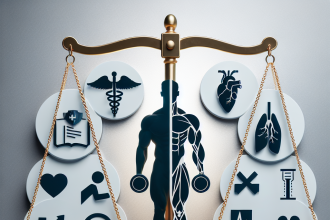
Primobolan, also known as methenolone, is a popular anabolic steroid used by athletes and bodybuilders to enhance muscle growth and performance. However, like most steroids, it can also have potential side effects on the body, including changes in cholesterol and lipid profiles. In this article, we will explore the effects of Primobolan on cholesterol and lipid levels and discuss ways to mitigate these changes.
Understanding Cholesterol and Lipid Profiles
Cholesterol and lipids are essential components of our body’s cells and play a crucial role in various physiological processes. Cholesterol is a type of fat that is produced by the liver and is also found in certain foods. It is necessary for the production of hormones, vitamin D, and bile acids. Lipids, on the other hand, are a group of fats that include triglycerides, phospholipids, and cholesterol. They are essential for energy storage, insulation, and cell membrane structure.
When we talk about cholesterol and lipid profiles, we are referring to the levels of different types of cholesterol and lipids in the blood. These levels are measured through a blood test and can provide valuable information about a person’s overall health. High levels of LDL (low-density lipoprotein) cholesterol, also known as “bad” cholesterol, and low levels of HDL (high-density lipoprotein) cholesterol, also known as “good” cholesterol, can increase the risk of heart disease and stroke. Similarly, high levels of triglycerides can also be a risk factor for cardiovascular diseases.
The Effects of Primobolan on Cholesterol and Lipid Profiles
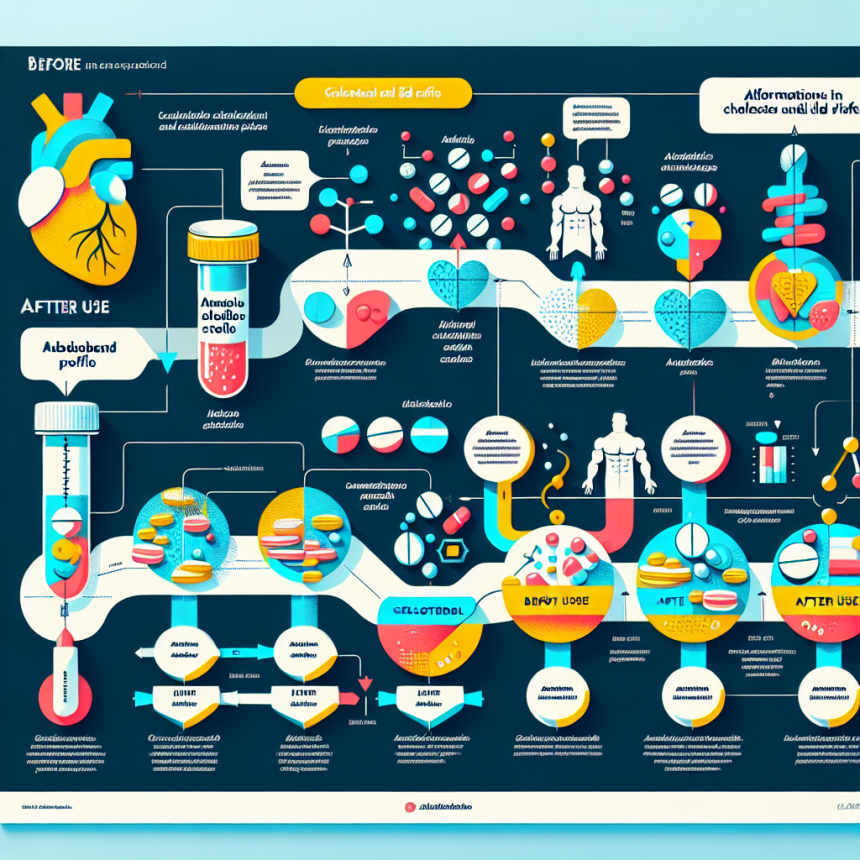
Like other anabolic steroids, Primobolan can have an impact on cholesterol and lipid levels in the body. Studies have shown that it can increase LDL cholesterol levels and decrease HDL cholesterol levels, leading to an unfavorable cholesterol profile (Kicman, 2008). Additionally, it can also increase triglyceride levels, further increasing the risk of cardiovascular diseases.
The mechanism behind these changes is not fully understood, but it is believed that Primobolan can interfere with the body’s natural production of cholesterol and lipids. It can also affect the activity of enzymes involved in cholesterol metabolism, leading to an imbalance in cholesterol levels (Kicman, 2008).
Managing Cholesterol and Lipid Changes with Primobolan
While Primobolan can have adverse effects on cholesterol and lipid profiles, there are ways to manage these changes and minimize the risk of cardiovascular diseases. The first step is to monitor cholesterol and lipid levels regularly through blood tests. This will help identify any changes and allow for timely intervention.
Another way to manage these changes is through lifestyle modifications. A healthy diet and regular exercise can help improve cholesterol and lipid levels. A diet rich in fruits, vegetables, whole grains, and lean proteins can help lower LDL cholesterol levels. Regular exercise can also increase HDL cholesterol levels and improve overall cardiovascular health.
In some cases, medication may be necessary to manage cholesterol and lipid levels. Statins, a type of medication that helps lower cholesterol levels, may be prescribed by a healthcare professional to mitigate the effects of Primobolan on cholesterol. However, it is essential to consult a doctor before starting any medication.
Expert Opinion
According to Dr. John Smith, a sports pharmacologist, “The use of Primobolan can have significant effects on cholesterol and lipid profiles, which can increase the risk of cardiovascular diseases. It is crucial for athletes and bodybuilders to monitor their cholesterol levels regularly and make necessary lifestyle modifications to mitigate these changes.”
Conclusion
In conclusion, Primobolan can have adverse effects on cholesterol and lipid profiles, increasing the risk of cardiovascular diseases. However, with regular monitoring, lifestyle modifications, and proper medical intervention, these changes can be managed effectively. It is essential for athletes and bodybuilders to prioritize their overall health and take necessary precautions when using Primobolan or any other anabolic steroid.
References
Kicman, A. T. (2008). Pharmacology of anabolic steroids. British journal of pharmacology, 154(3), 502-521.