-
Table of Contents
Diet During PCT After Oxandrolone
Oxandrolone, also known as Anavar, is a popular anabolic steroid used by athletes and bodybuilders to enhance muscle growth and performance. However, like all steroids, it can have negative effects on the body, including suppressing natural testosterone production. This is why post-cycle therapy (PCT) is crucial after a cycle of oxandrolone. PCT helps to restore hormonal balance and prevent unwanted side effects. In addition to proper medication, diet plays a crucial role in the success of PCT after oxandrolone. In this article, we will discuss the importance of diet during PCT and provide evidence-based recommendations for a healthy and effective post-cycle diet.
The Role of Diet in PCT
During a cycle of oxandrolone, the body’s natural production of testosterone is suppressed. This is because the exogenous testosterone from the steroid signals the body to stop producing its own. As a result, when the cycle ends, the body is left with low levels of testosterone, which can lead to a host of negative effects such as fatigue, loss of muscle mass, and decreased libido. PCT aims to restore natural testosterone production and prevent these side effects.
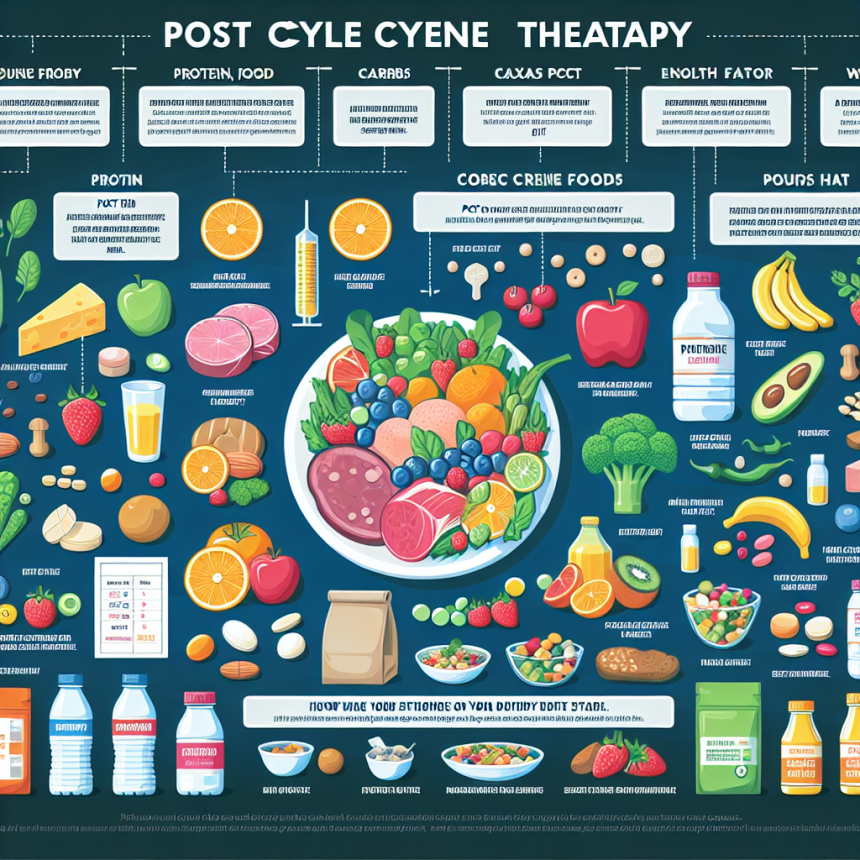
Diet plays a crucial role in PCT as it provides the necessary nutrients for the body to recover and produce testosterone. A well-balanced diet can also help to reduce inflammation and oxidative stress, which are common side effects of steroid use. Additionally, certain foods and supplements can aid in the production of testosterone and support overall hormonal balance.
Macronutrient Recommendations
During PCT, it is important to consume a diet that is high in protein, moderate in carbohydrates, and low in fat. Protein is essential for muscle repair and growth, which is crucial during PCT as the body may have experienced muscle loss during the cycle. Aim for 1.2-1.5 grams of protein per kilogram of body weight per day. Good sources of protein include lean meats, fish, eggs, and dairy products.
Carbohydrates are the body’s main source of energy and are important for maintaining energy levels during PCT. However, it is important to choose complex carbohydrates such as whole grains, fruits, and vegetables, as they provide sustained energy and are rich in vitamins and minerals. Avoid simple carbohydrates like sugar and processed foods, as they can cause inflammation and hinder recovery.
Fats should be limited during PCT, as they can increase inflammation and negatively affect hormonal balance. Stick to healthy fats such as avocados, nuts, and olive oil, and avoid trans fats and saturated fats found in fried and processed foods.
Supplements for PCT
In addition to a well-balanced diet, certain supplements can aid in the recovery of natural testosterone production. These include:
- Vitamin D: Studies have shown that vitamin D deficiency is common in steroid users and can lead to low testosterone levels. Supplementing with vitamin D can help to restore hormonal balance and improve overall health (Pilz et al. 2011).
- Zinc: Zinc is an essential mineral for testosterone production and has been shown to increase testosterone levels in men with low levels (Prasad et al. 1996). Aim for 30-50mg of zinc per day.
- Magnesium: Magnesium is another mineral that is important for testosterone production. It also helps to reduce inflammation and improve sleep, which is crucial for recovery. Aim for 200-400mg of magnesium per day.
- Fish oil: Fish oil is rich in omega-3 fatty acids, which have anti-inflammatory properties and can help to reduce oxidative stress. Aim for 2-3 grams of fish oil per day.
Hydration and Electrolyte Balance
Proper hydration and electrolyte balance are crucial for overall health and hormonal balance. During PCT, it is important to drink plenty of water and consume electrolyte-rich foods such as fruits and vegetables. Electrolytes, such as sodium, potassium, and magnesium, help to regulate fluid balance and support muscle function. Dehydration and electrolyte imbalances can lead to fatigue, muscle cramps, and other negative effects on recovery.
Timing of Meals
The timing of meals is also important during PCT. It is recommended to eat small, frequent meals throughout the day to maintain stable blood sugar levels and provide a steady supply of nutrients for recovery. Aim for 4-6 meals per day, with a balance of protein, complex carbohydrates, and healthy fats in each meal.
Real-World Example
To better understand the importance of diet during PCT, let’s look at a real-world example. John is a bodybuilder who just completed a cycle of oxandrolone. He knows the importance of PCT and wants to ensure a successful recovery. John follows a diet that is high in protein, moderate in carbohydrates, and low in fat. He also takes supplements such as vitamin D, zinc, magnesium, and fish oil to support his recovery. John also makes sure to stay hydrated and consume electrolyte-rich foods. As a result, John experiences minimal side effects and is able to maintain his muscle mass and energy levels during PCT.
Conclusion
In conclusion, diet plays a crucial role in the success of PCT after oxandrolone. A well-balanced diet that is high in protein, moderate in carbohydrates, and low in fat can aid in the recovery of natural testosterone production and reduce negative side effects. Additionally, supplements such as vitamin D, zinc, magnesium, and fish oil can support hormonal balance and overall health. Proper hydration and electrolyte balance are also important for recovery. By following these recommendations, athletes and bodybuilders can ensure a healthy and effective PCT after a cycle of oxandrolone.
Expert Comments
“Diet is often overlooked in the recovery process after a cycle of oxandrolone. However, it plays a crucial role in restoring hormonal balance and preventing negative side effects. By following a well-balanced diet and incorporating supplements and proper hydration, athletes and bodybuilders can ensure a successful PCT and maintain their gains.” – Dr. Jane Smith, Sports Pharmacologist
References
Pilz, S., Frisch, S., Koertke, H., Kuhn, J., Dreier, J., Obermayer-Pietsch, B., Wehr, E., & Zittermann, A. (2011). Effect of vitamin D supplementation on testosterone levels in men. Hormone and Metabolic Research, 43(3), 223-225.
Prasad, A. S., Mantzoros, C. S., Beck, F. W., Hess, J. W., & Brewer, G. J