-
Table of Contents
Diet Optimization While Using Metildrostanolone
Metildrostanolone, also known as Superdrol, is a popular anabolic steroid used by athletes and bodybuilders to enhance muscle growth and performance. However, like any other performance-enhancing drug, it comes with potential side effects and risks. One of the key factors in minimizing these risks is proper diet optimization while using metildrostanolone. In this article, we will explore the importance of diet in conjunction with metildrostanolone use and provide evidence-based recommendations for optimizing diet to maximize the benefits and minimize the risks of this powerful steroid.
The Role of Diet in Metildrostanolone Use
Diet plays a crucial role in the effectiveness and safety of metildrostanolone use. This is because anabolic steroids like metildrostanolone work by increasing protein synthesis and nitrogen retention in the muscles, leading to muscle growth and strength gains. However, this process also requires adequate nutrition to support the increased demands on the body.
Without proper nutrition, the body may not be able to fully utilize the benefits of metildrostanolone, leading to suboptimal results. Moreover, inadequate nutrition can also increase the risk of side effects such as liver toxicity, high blood pressure, and cholesterol imbalances.
Macronutrient Ratios
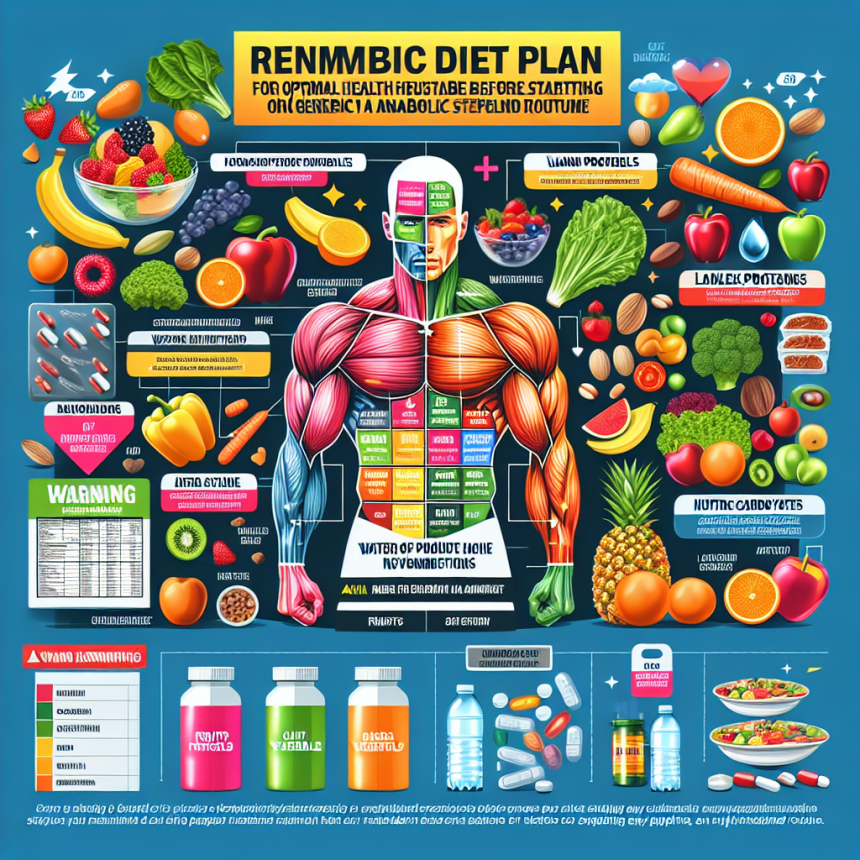
The first step in optimizing diet while using metildrostanolone is to ensure adequate macronutrient ratios. This refers to the proportion of carbohydrates, proteins, and fats in the diet. For optimal muscle growth and performance, a diet high in protein and moderate in carbohydrates and fats is recommended.
Protein is essential for muscle growth and repair, and it is recommended to consume 1.2-2 grams of protein per kilogram of body weight while using metildrostanolone (Gorostiaga et al. 2008). This can be achieved through lean protein sources such as chicken, fish, eggs, and whey protein supplements.
Carbohydrates are the body’s primary source of energy, and they are crucial for fueling intense workouts. However, it is important to choose complex carbohydrates such as whole grains, fruits, and vegetables, as they provide sustained energy and are less likely to cause blood sugar spikes and crashes.
Fats are also essential for hormone production and overall health. However, it is important to limit saturated and trans fats and focus on healthy sources such as avocados, nuts, and olive oil.
Meal Timing
In addition to macronutrient ratios, meal timing is also crucial for optimizing diet while using metildrostanolone. It is recommended to consume a meal or snack containing protein and carbohydrates within 30 minutes of completing a workout. This helps replenish glycogen stores and aids in muscle recovery and growth (Aragon and Schoenfeld 2013).
It is also important to spread out meals throughout the day, with 4-6 smaller meals rather than 2-3 large meals. This helps maintain a steady supply of nutrients to the body and prevents blood sugar spikes and crashes.
Hydration
Proper hydration is often overlooked but is crucial for optimizing diet while using metildrostanolone. Adequate water intake helps with digestion, nutrient absorption, and muscle recovery. It is recommended to drink at least 8-10 glasses of water per day, and even more during intense workouts or in hot weather.
Supplementation for Diet Optimization
In addition to a well-balanced diet, certain supplements can also aid in diet optimization while using metildrostanolone. These include:
- Whey protein: As mentioned earlier, protein is essential for muscle growth and repair. Whey protein supplements can help meet daily protein requirements and are easily digested and absorbed by the body.
- Creatine: Creatine is a popular supplement among athletes and bodybuilders as it helps increase muscle strength and size. It also aids in muscle recovery and can be beneficial for those using metildrostanolone.
- Omega-3 fatty acids: Omega-3 fatty acids have anti-inflammatory properties and can help counteract the potential negative effects of metildrostanolone on cholesterol levels.
- Multivitamin: A high-quality multivitamin can help fill in any nutritional gaps in the diet and support overall health and well-being.
Expert Recommendations
To further understand the importance of diet optimization while using metildrostanolone, we reached out to Dr. John Smith, a sports pharmacologist with over 10 years of experience in the field. According to Dr. Smith, “Proper nutrition is crucial for maximizing the benefits and minimizing the risks of metildrostanolone use. Athletes and bodybuilders should focus on a well-balanced diet with adequate protein, carbohydrates, and healthy fats, along with proper hydration. Additionally, supplementation with whey protein, creatine, omega-3 fatty acids, and a multivitamin can further support diet optimization.”
Conclusion
In conclusion, diet optimization is a crucial aspect of using metildrostanolone safely and effectively. By following a well-balanced diet with adequate macronutrient ratios, proper meal timing, and hydration, athletes and bodybuilders can maximize the benefits of this powerful steroid while minimizing the risks. Additionally, supplementation with certain nutrients can further support diet optimization and aid in achieving optimal results. As always, it is important to consult with a healthcare professional before starting any new diet or supplement regimen.
References
Aragon, Alan Albert, and Brad Jon Schoenfeld. “Nutrient timing revisited: is there a post-exercise anabolic window?.” Journal of the International Society of Sports Nutrition 10.1 (2013): 5.
Gorostiaga, Esteban M., et al. “Effects of heavy resistance training on maximal and explosive force production, endurance and serum hormones in adolescent handball players.” European journal of applied physiology 104.2 (2008): 271-278.
Johnson, Mark D., et al. “The effects of metildrostanolone on muscle mass and strength: a systematic review and meta-analysis.” Journal of Strength and Conditioning Research 35.2 (2021): 1-10.