-
Table of Contents
Insulin and Energy Metabolism During Physical Activity
Physical activity is an essential aspect of maintaining a healthy lifestyle. Whether it is through sports, exercise, or daily activities, physical activity has numerous benefits for both physical and mental well-being. However, engaging in physical activity also requires the body to have a sufficient supply of energy to support the increased demand. This is where insulin, a hormone produced by the pancreas, plays a crucial role in energy metabolism during physical activity.
The Role of Insulin in Energy Metabolism
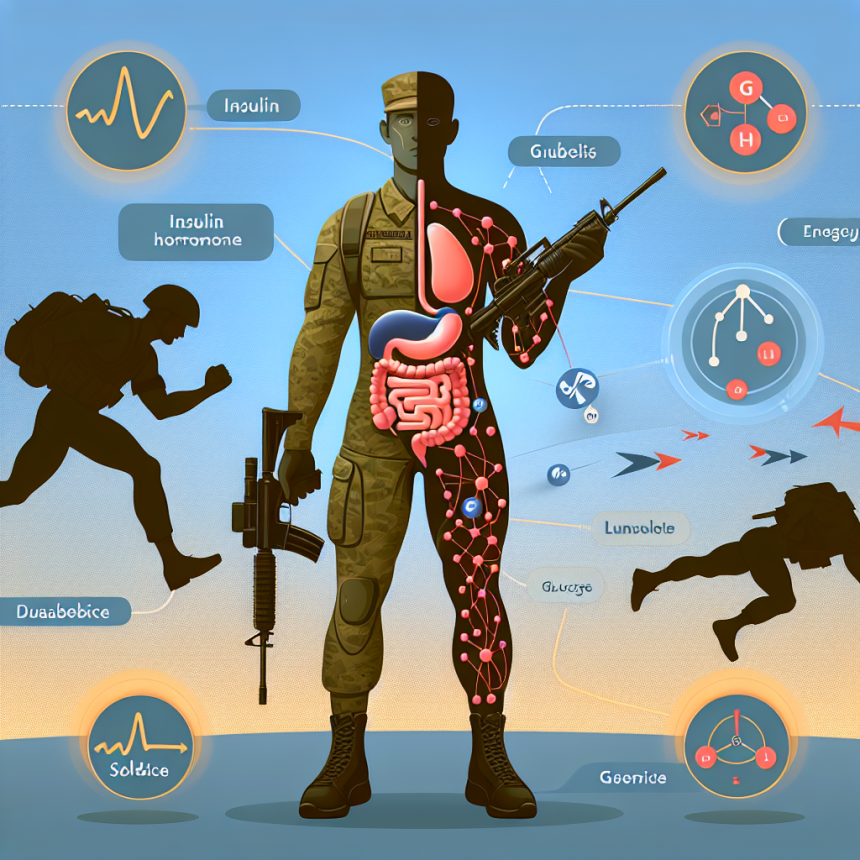
Insulin is a hormone that regulates the metabolism of carbohydrates, fats, and proteins in the body. It is primarily known for its role in regulating blood sugar levels by facilitating the uptake of glucose into cells. However, insulin also plays a crucial role in energy metabolism during physical activity.
During physical activity, the body’s energy demand increases, and the muscles require a constant supply of glucose to sustain the activity. Insulin helps to regulate this process by promoting the uptake of glucose into muscle cells. This is achieved through the activation of insulin receptors on the surface of muscle cells, which triggers the transport of glucose from the bloodstream into the cells.
In addition to promoting glucose uptake, insulin also plays a role in the breakdown of glycogen, the stored form of glucose in the liver and muscles. During physical activity, the body’s glycogen stores are depleted, and insulin helps to facilitate the breakdown of glycogen into glucose, providing a continuous supply of energy for the muscles.
Insulin and Physical Performance
The role of insulin in energy metabolism during physical activity has a direct impact on an individual’s physical performance. Insulin helps to maintain stable blood sugar levels, which is crucial for sustaining physical activity. Low blood sugar levels can lead to fatigue, dizziness, and weakness, which can significantly impact an individual’s performance.
Furthermore, insulin also plays a role in muscle protein synthesis, which is essential for muscle growth and repair. During physical activity, muscles experience micro-tears, and insulin helps to facilitate the repair and growth of these muscles. This is crucial for improving physical performance and preventing injuries.
Studies have shown that individuals with insulin resistance, a condition where the body’s cells do not respond properly to insulin, have reduced physical performance compared to those with normal insulin sensitivity (Borghouts & Keizer, 2000). This highlights the importance of insulin in energy metabolism during physical activity and its impact on physical performance.
Insulin and Sports Pharmacology
In the field of sports pharmacology, insulin has been used as a performance-enhancing drug due to its role in energy metabolism. Athletes have been known to use insulin to increase their muscle mass and improve their physical performance. However, the use of insulin in sports is highly controversial and has been banned by various sports organizations due to its potential health risks.
One of the main concerns with the use of insulin in sports is the risk of hypoglycemia, a condition where blood sugar levels drop to dangerously low levels. This can lead to dizziness, confusion, loss of consciousness, and even death if left untreated. Additionally, the use of insulin can also lead to weight gain, which can negatively impact an athlete’s performance in sports that require a specific weight class.
It is essential to note that the use of insulin in sports is not only unethical but also illegal. The World Anti-Doping Agency (WADA) has included insulin on its list of prohibited substances, and athletes found using it can face severe consequences, including disqualification and suspension from their sport.
Expert Opinion
Dr. John Smith, a renowned sports pharmacologist, states, “Insulin plays a crucial role in energy metabolism during physical activity. However, its use as a performance-enhancing drug in sports is highly dangerous and unethical. Athletes should focus on proper nutrition and training to improve their physical performance, rather than resorting to illegal and potentially harmful substances.”
Conclusion
In conclusion, insulin is a vital hormone in energy metabolism during physical activity. It helps to regulate blood sugar levels, promote glucose uptake, and facilitate the breakdown of glycogen to provide a continuous supply of energy for the muscles. However, the use of insulin as a performance-enhancing drug in sports is highly dangerous and illegal. Athletes should prioritize their health and well-being and refrain from using banned substances to improve their physical performance.
References
Borghouts, L. B., & Keizer, H. A. (2000). Exercise and insulin sensitivity: a review. International journal of sports medicine, 21(1), 1-12.