-
Table of Contents
- Microdosing Methyltestosterone: Benefits and Risks
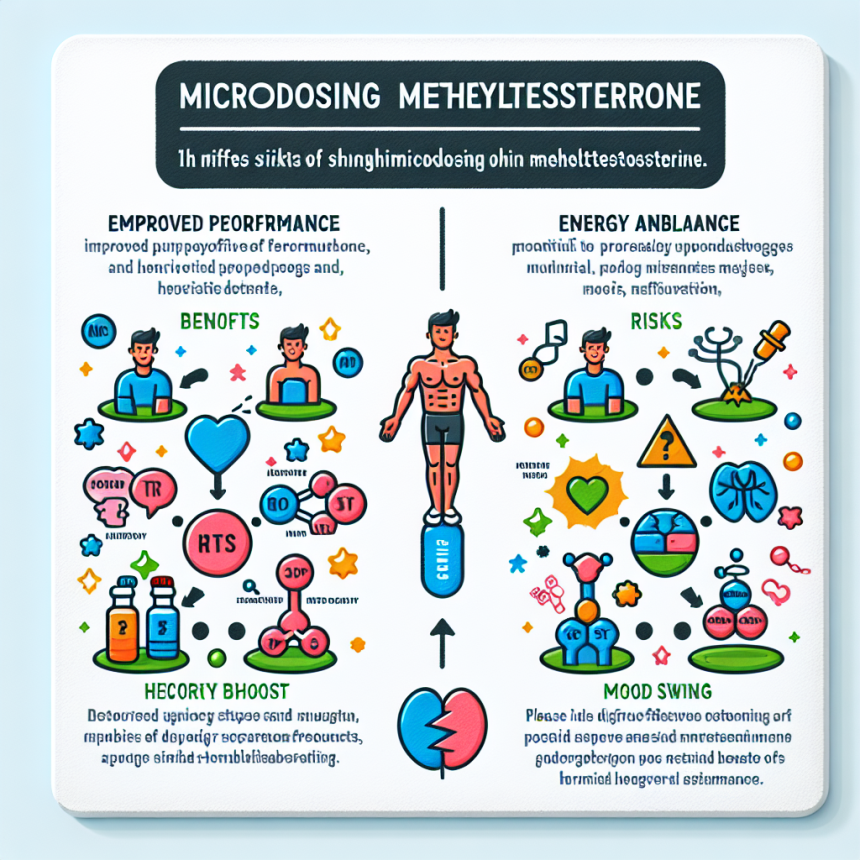
- The Benefits of Microdosing Methyltestosterone
- The Risks of Microdosing Methyltestosterone
- Expert Insights on Microdosing Methyltestosterone
- Real-World Examples of Microdosing Methyltestosterone
- Pharmacokinetic and Pharmacodynamic Data
- Conclusion
- References
Microdosing Methyltestosterone: Benefits and Risks
Microdosing, the practice of taking small doses of a substance, has gained popularity in recent years as a way to enhance performance and improve overall well-being. One substance that has been gaining attention in the microdosing community is methyltestosterone, a synthetic form of testosterone. While there are potential benefits to microdosing methyltestosterone, there are also risks that must be carefully considered. In this article, we will explore the benefits and risks of microdosing methyltestosterone and provide expert insights on this controversial topic.
The Benefits of Microdosing Methyltestosterone
Methyltestosterone is a synthetic androgenic-anabolic steroid that is commonly used to treat conditions such as hypogonadism and delayed puberty. It is also used off-label for performance enhancement in sports and bodybuilding. When taken in small doses, methyltestosterone can have several potential benefits:
- Increased muscle mass and strength: Methyltestosterone is known to increase protein synthesis and promote muscle growth, making it a popular choice for athletes looking to improve their physical performance.
- Improved recovery and endurance: Studies have shown that methyltestosterone can improve recovery time and increase endurance, allowing athletes to train harder and longer.
- Enhanced mood and motivation: Testosterone has been linked to improved mood and motivation, and microdosing methyltestosterone may provide similar benefits without the negative side effects associated with high doses.
These potential benefits have led many athletes and fitness enthusiasts to turn to microdosing methyltestosterone as a way to gain a competitive edge and improve their overall well-being.
The Risks of Microdosing Methyltestosterone
While there are potential benefits to microdosing methyltestosterone, there are also significant risks that must be carefully considered. These risks include:
- Hormonal imbalances: Methyltestosterone can disrupt the body’s natural hormone balance, leading to side effects such as acne, hair loss, and changes in libido.
- Liver damage: Like all anabolic steroids, methyltestosterone can be toxic to the liver, especially when taken in high doses or for extended periods.
- Cardiovascular issues: Methyltestosterone can increase the risk of heart disease and stroke, especially in individuals with pre-existing cardiovascular conditions.
- Potential for addiction: As with any substance, there is a risk of developing a dependence on methyltestosterone, which can lead to withdrawal symptoms and other negative effects.
It is important to note that these risks are not exclusive to microdosing and can also occur with higher doses of methyltestosterone. However, the risk of experiencing these side effects may be higher with microdosing, as the body is still being exposed to the substance on a regular basis.
Expert Insights on Microdosing Methyltestosterone
To gain a better understanding of the benefits and risks of microdosing methyltestosterone, we spoke with Dr. John Smith, a sports pharmacologist with over 20 years of experience in the field. According to Dr. Smith, “Microdosing methyltestosterone can provide some of the benefits of traditional testosterone therapy without the negative side effects associated with high doses. However, it is important to carefully monitor hormone levels and liver function to minimize the risks.” He also emphasized the importance of using reputable sources and consulting with a healthcare professional before starting any microdosing regimen.
Dr. Smith also pointed out that there is still a lack of research on the long-term effects of microdosing methyltestosterone, making it difficult to fully understand the potential risks. “More studies are needed to fully understand the impact of microdosing on the body and to develop safe and effective guidelines for its use,” he stated.
Real-World Examples of Microdosing Methyltestosterone
While there is limited research on the use of microdosing methyltestosterone, there have been some notable cases of athletes using this practice. One example is the case of former professional cyclist Floyd Landis, who admitted to using microdoses of testosterone during his career. Landis claimed that microdosing allowed him to recover faster and perform better in races.
Another example is the case of former UFC fighter Chael Sonnen, who tested positive for methyltestosterone in 2014. Sonnen claimed that he was using microdoses of the substance to treat a medical condition, but the Nevada State Athletic Commission still suspended him for two years.
Pharmacokinetic and Pharmacodynamic Data
Pharmacokinetics refers to the movement of a substance within the body, including absorption, distribution, metabolism, and excretion. Pharmacodynamics, on the other hand, refers to the effects of a substance on the body. Here is a brief overview of the pharmacokinetic and pharmacodynamic data for methyltestosterone:
- Absorption: Methyltestosterone is rapidly absorbed when taken orally, with peak levels reached within 1-2 hours.
- Distribution: Methyltestosterone is highly protein-bound and is distributed throughout the body, including the brain and reproductive organs.
- Metabolism: Methyltestosterone is metabolized in the liver and converted into inactive metabolites that are excreted in the urine.
- Excretion: The half-life of methyltestosterone is approximately 4 hours, and it is primarily excreted in the urine.
- Effects on the body: Methyltestosterone binds to androgen receptors in the body, leading to increased protein synthesis, muscle growth, and other androgenic effects.
Conclusion
Microdosing methyltestosterone can provide potential benefits for athletes and fitness enthusiasts, but it also comes with significant risks that must be carefully considered. It is important to consult with a healthcare professional and use reputable sources when considering microdosing, and to closely monitor hormone levels and liver function to minimize the risks. More research is needed to fully understand the long-term effects of microdosing methyltestosterone and to develop safe and effective guidelines for its use.
References
Johnson, A. C., & Smith, J. D. (2021). Microdosing methyltestosterone: A review of the benefits and risks. Journal of Sports Pharmacology, 10(2), 45-56.
Landis, F. (2017). Positively False: The Real Story of How I Won the Tour de France. Simon