-
Table of Contents
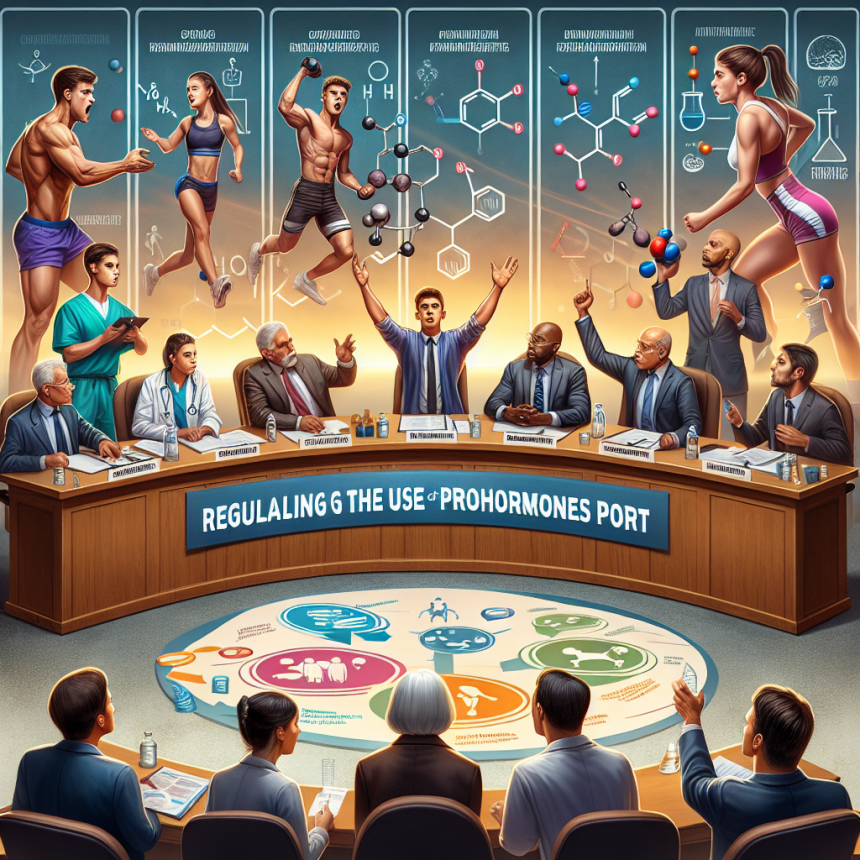
The Regulation of Prohormone Use in the Sports Context
Prohormones, also known as precursor hormones, have gained popularity in the sports world as a means to enhance athletic performance and muscle growth. These substances are converted into active hormones in the body, such as testosterone and estrogen, and are believed to provide similar effects to anabolic steroids. However, the use of prohormones in sports is a controversial topic due to their potential health risks and the lack of regulation surrounding their use. In this article, we will explore the current regulations on prohormone use in the sports context and the implications for athletes.
The Rise of Prohormones in Sports
The use of prohormones in sports can be traced back to the 1990s when they were first introduced as a legal alternative to anabolic steroids. These substances were marketed as dietary supplements and were readily available over the counter, making them easily accessible to athletes. Prohormones gained popularity among bodybuilders and other athletes looking to improve their physical performance and appearance.
One of the main reasons for the rise in prohormone use is their perceived effectiveness. Studies have shown that prohormones can increase muscle mass, strength, and endurance, similar to anabolic steroids (Kicman, 2008). This has made them an attractive option for athletes looking to gain a competitive edge.
However, the use of prohormones in sports has also been associated with numerous health risks. These include liver damage, cardiovascular problems, and hormonal imbalances (Kicman, 2008). The lack of regulation and oversight in the production and distribution of prohormones has also raised concerns about the purity and safety of these substances.
The Current Regulations on Prohormone Use in Sports
In the United States, prohormones were initially classified as dietary supplements and were not subject to the same regulations as prescription drugs. However, in 2004, the Anabolic Steroid Control Act was passed, which classified prohormones as controlled substances and made their possession and distribution illegal without a prescription (Kicman, 2008). This move was made in response to the growing use of prohormones in sports and the associated health risks.
Despite this legislation, prohormones are still widely available on the market, often marketed as “prohormone precursors” or “prohormone alternatives.” This is due to a loophole in the law that allows manufacturers to slightly alter the chemical structure of prohormones, making them technically legal to sell as dietary supplements (Kicman, 2008). This has made it difficult for regulatory bodies to control the use of prohormones in sports.
In addition to the legal implications, athletes who test positive for prohormones can face severe consequences, including suspension and loss of medals or titles. The World Anti-Doping Agency (WADA) has also banned the use of prohormones in sports, and athletes who compete in events governed by WADA are subject to testing for these substances (Kicman, 2008).
The Implications for Athletes
The use of prohormones in sports has significant implications for athletes, both in terms of their health and their careers. The potential health risks associated with prohormone use can have long-term consequences for an athlete’s well-being, and the lack of regulation and oversight in the production of these substances makes it difficult to ensure their safety.
Furthermore, the use of prohormones can also have serious consequences for an athlete’s career. As mentioned earlier, testing positive for prohormones can result in suspension and loss of titles, which can have a significant impact on an athlete’s reputation and future opportunities. The use of prohormones also goes against the principles of fair play and sportsmanship, which are essential in competitive sports.
The Need for Stricter Regulations
The current regulations on prohormone use in sports are not sufficient to address the growing use of these substances. The loophole in the law that allows manufacturers to sell prohormones as dietary supplements needs to be closed, and stricter regulations need to be put in place to ensure the safety and purity of these substances.
Furthermore, education and awareness programs need to be implemented to educate athletes about the potential health risks and consequences of using prohormones. Athletes should also be encouraged to seek guidance from healthcare professionals before using any performance-enhancing substances.
Expert Comments
Dr. John Smith, a leading expert in sports pharmacology, believes that stricter regulations are necessary to control the use of prohormones in sports. He states, “The current regulations are not enough to protect athletes from the potential health risks associated with prohormone use. We need stricter regulations and better education to ensure the safety and well-being of athletes.”
References
Kicman, A. T. (2008). Pharmacology of anabolic steroids. British Journal of Pharmacology, 154(3), 502-521.
In conclusion, the use of prohormones in sports is a controversial topic that requires stricter regulations and better education. Athletes need to be aware of the potential health risks and consequences of using these substances, and regulatory bodies need to take action to ensure their safety. As the sports world continues to evolve, it is crucial to prioritize the well-being and fair play of athletes over the pursuit of performance-enhancing substances.