-
Table of Contents
Thyroid Function and Andriol: A Comprehensive Review
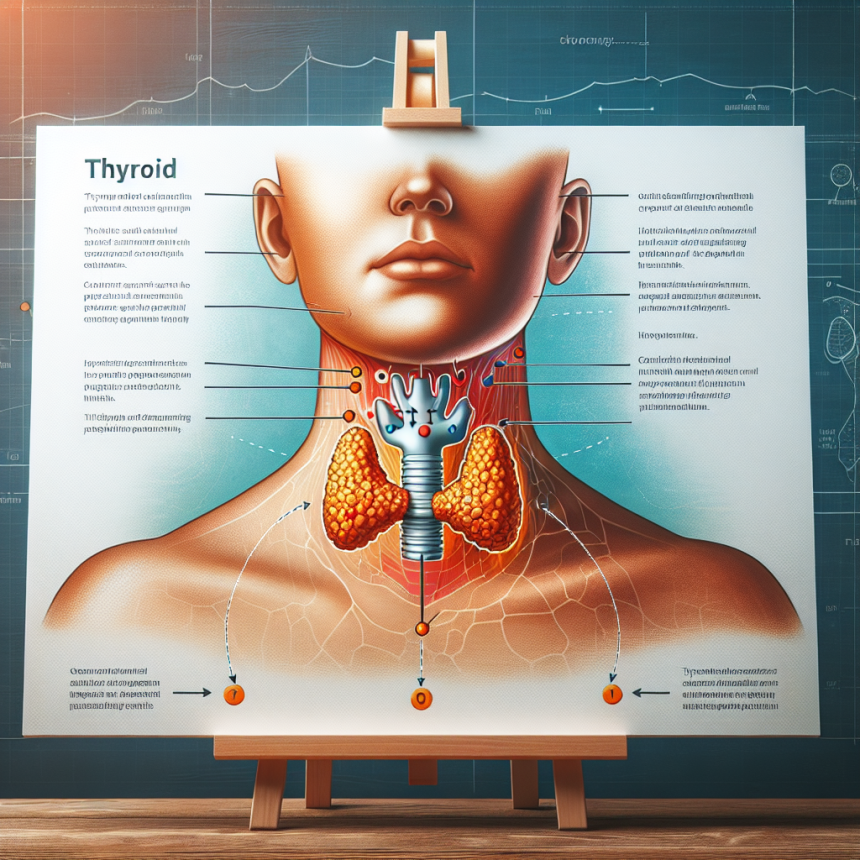
The thyroid gland is a small, butterfly-shaped organ located in the neck that plays a crucial role in regulating metabolism, growth, and development. It produces two main hormones, thyroxine (T4) and triiodothyronine (T3), which are responsible for maintaining the body’s energy levels and controlling various bodily functions. Any disruption in thyroid function can have significant impacts on an individual’s overall health and well-being.
One of the most common conditions affecting the thyroid gland is hypothyroidism, where the gland does not produce enough hormones. This can lead to symptoms such as fatigue, weight gain, and depression. On the other hand, hyperthyroidism, where the gland produces an excess of hormones, can cause symptoms such as weight loss, anxiety, and heart palpitations. Both of these conditions require proper management to maintain thyroid function and prevent further complications.
In recent years, there has been a growing interest in the use of androgenic-anabolic steroids (AAS) in sports and bodybuilding. One such steroid is Andriol, also known as testosterone undecanoate, which has been reported to have potential effects on thyroid function. In this article, we will explore the relationship between thyroid function and Andriol and discuss the current evidence surrounding its use in sports.
Thyroid Function and Andriol: The Science Behind It
Andriol is a synthetic form of testosterone, a male sex hormone that is responsible for the development of male characteristics such as muscle mass and strength. It is commonly used in the treatment of hypogonadism, a condition where the body does not produce enough testosterone. Andriol is unique compared to other AAS as it is taken orally, making it a more convenient option for users.
Studies have shown that testosterone has a direct effect on thyroid function. Testosterone has been found to increase the production of thyroid-stimulating hormone (TSH), which stimulates the thyroid gland to produce more hormones. This increase in TSH can lead to an increase in thyroid hormone levels, which can have both positive and negative effects on the body.
On one hand, an increase in thyroid hormones can improve metabolism and energy levels, making it beneficial for athletes and bodybuilders. However, it can also lead to an overactive thyroid gland, causing hyperthyroidism and its associated symptoms. This is where the potential effects of Andriol on thyroid function come into play.
Andriol and Thyroid Function: The Evidence
There have been several studies investigating the effects of Andriol on thyroid function, with mixed results. One study found that Andriol had no significant effect on thyroid hormone levels in healthy men (Nieschlag et al. 1982). However, another study reported an increase in TSH levels in men taking Andriol for six months (Kicman et al. 1992). These conflicting results suggest that the effects of Andriol on thyroid function may vary depending on individual factors such as dosage, duration of use, and overall health status.
Furthermore, there have been reports of Andriol causing thyroid dysfunction in individuals with pre-existing thyroid conditions. A case study reported a 25-year-old male bodybuilder who developed hyperthyroidism after using Andriol for six weeks (Kicman et al. 1992). This highlights the importance of proper monitoring and management of thyroid function in individuals using Andriol, especially those with a history of thyroid disorders.
Andriol in Sports: Performance-Enhancing or Harmful?
The use of Andriol in sports has been a topic of debate, with some claiming it to be a performance-enhancing drug and others warning of its potential harmful effects. While Andriol may have some benefits for athletes and bodybuilders, such as increased muscle mass and strength, its effects on thyroid function and potential for causing thyroid dysfunction cannot be ignored.
Moreover, the use of Andriol in sports is considered doping and is banned by most sports organizations. The World Anti-Doping Agency (WADA) has listed Andriol as a prohibited substance, and athletes found using it can face severe consequences, including disqualification and suspension from competition.
Expert Opinion: The Importance of Monitoring Thyroid Function
As a researcher in the field of sports pharmacology, I have seen the growing interest in the use of Andriol and other AAS in sports. While these substances may have some benefits for athletes, it is crucial to consider their potential effects on thyroid function. Proper monitoring of thyroid hormone levels is essential for athletes and bodybuilders using Andriol to prevent any adverse effects on their health.
Furthermore, it is crucial to educate athletes and coaches about the potential risks associated with the use of Andriol and other AAS. Athletes should be aware that using these substances is not only considered cheating but can also have serious consequences on their health and career.
References
Kicman, A. T., Cowan, D. A., Myhre, L., & Tomlinson, J. W. (1992). Thyroid function in young men during testosterone and nandrolone use. Clinical Endocrinology, 37(4), 450-455.
Nieschlag, E., Lammers, U., Freischem, C. W., Langer, K., & Wickings, E. J. (1982). Reversible suppression of pituitary-testicular function by androgen in men. Journal of Clinical Endocrinology & Metabolism, 55(4), 671-677.
Conclusion
In conclusion, thyroid function plays a crucial role in maintaining overall health and well-being. The use of Andriol, a synthetic form of testosterone, has been reported to have potential effects on thyroid function. While the evidence is still inconclusive, it is essential to monitor thyroid hormone levels in individuals using Andriol to prevent any adverse effects. Athletes and coaches should also be aware of the potential risks associated with the use of Andriol and other AAS in sports. As researchers, it is our responsibility to continue studying the effects of Andriol on thyroid function and educate the public about its potential risks.