-
Table of Contents
Short-Term Side Effects of Oxandrolone
Oxandrolone, also known by its brand name Anavar, is a synthetic anabolic-androgenic steroid (AAS) that has gained popularity in the sports world for its ability to enhance muscle growth and strength. It was first developed in the 1960s and has since been used for various medical purposes, including treating muscle wasting diseases and promoting weight gain in patients with chronic illnesses. However, like any other AAS, oxandrolone comes with potential side effects that users should be aware of. In this article, we will discuss the short-term side effects of oxandrolone and their potential impact on athletes and bodybuilders.
Pharmacokinetics of Oxandrolone
Before delving into the side effects, it is important to understand the pharmacokinetics of oxandrolone. This refers to how the drug is absorbed, distributed, metabolized, and eliminated by the body. Oxandrolone is taken orally and is rapidly absorbed by the gastrointestinal tract. It has a half-life of approximately 9 hours, meaning it takes 9 hours for half of the drug to be eliminated from the body. The drug is primarily metabolized by the liver and excreted through the urine.
Short-Term Side Effects
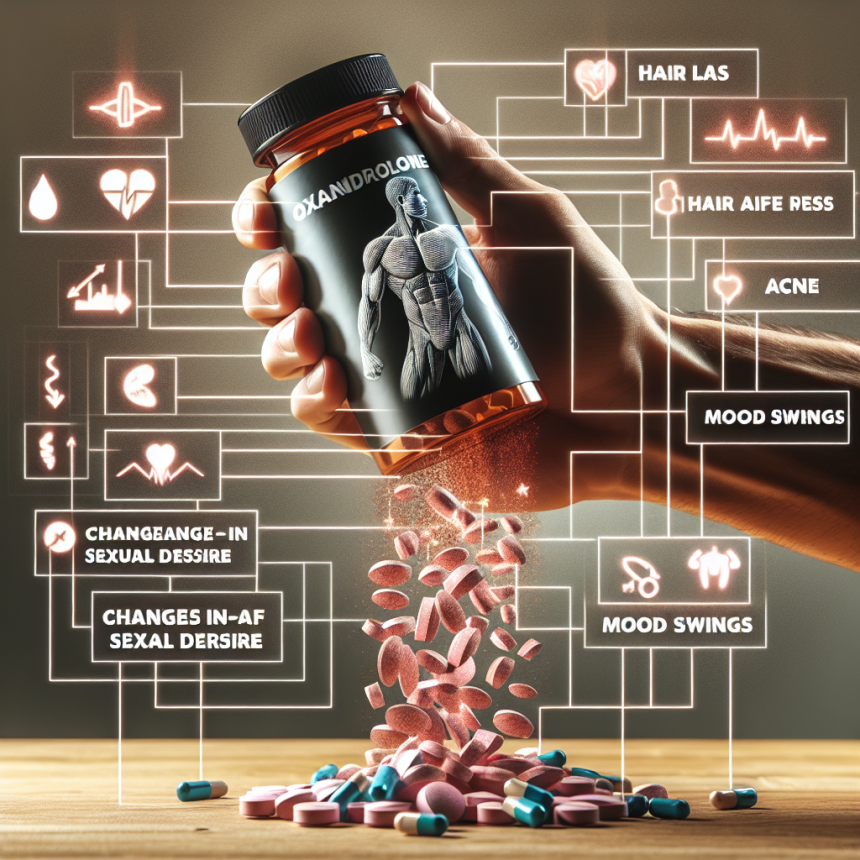
Like other AAS, oxandrolone can cause a range of short-term side effects, some of which may be mild and manageable, while others can be more severe and require medical attention. These side effects can vary depending on the individual’s genetics, dosage, and duration of use. Some of the most common short-term side effects of oxandrolone include:
1. Acne
Acne is a common side effect of AAS use, including oxandrolone. This is because AAS can increase the production of sebum, an oily substance that can clog pores and lead to acne. Acne caused by AAS use is usually more severe and widespread than regular acne and can be difficult to treat. It is important for users to maintain good hygiene and consult a dermatologist if acne becomes a persistent issue.
2. Hair Loss
Another common side effect of AAS use is hair loss, also known as androgenic alopecia. This is because AAS can increase the production of dihydrotestosterone (DHT), a hormone that can cause hair follicles to shrink and eventually stop producing hair. Hair loss caused by AAS use is usually more severe and occurs in a distinct pattern, known as male pattern baldness. This side effect is more common in individuals who are genetically predisposed to hair loss.
3. Mood Changes
AAS use has been linked to mood changes, including increased aggression, irritability, and mood swings. This is because AAS can affect the levels of neurotransmitters in the brain, such as serotonin and dopamine, which play a role in regulating mood. These mood changes can be particularly problematic for athletes who need to maintain a calm and focused mindset during competitions.
4. Liver Toxicity
As mentioned earlier, oxandrolone is primarily metabolized by the liver. This can put a strain on the liver and lead to liver toxicity, especially when used in high doses or for prolonged periods. Liver toxicity can manifest as elevated liver enzymes, jaundice, and liver damage. It is important for users to regularly monitor their liver function and consult a doctor if they experience any symptoms of liver toxicity.
5. Cardiovascular Effects
AAS use has been linked to an increased risk of cardiovascular events, such as heart attacks and strokes. This is because AAS can affect the levels of lipids in the blood, leading to an increase in bad cholesterol (LDL) and a decrease in good cholesterol (HDL). This can contribute to the development of atherosclerosis, a condition where plaque builds up in the arteries and restricts blood flow. It is important for users to monitor their cholesterol levels and maintain a healthy lifestyle to reduce the risk of cardiovascular events.
6. Hormonal Imbalances
AAS use can also disrupt the body’s natural hormone balance, leading to a range of side effects. In men, this can manifest as testicular atrophy, decreased sperm count, and gynecomastia (enlarged breasts). In women, it can cause menstrual irregularities, deepening of the voice, and increased body hair growth. These hormonal imbalances can have long-term effects and may require medical intervention to correct.
Expert Opinion
According to a study published in the Journal of Clinical Endocrinology and Metabolism (Nieschlag et al. 2019), AAS use can have a significant impact on an individual’s health, both in the short and long term. The study also highlights the importance of proper monitoring and management of AAS use to minimize the risk of side effects. It is crucial for athletes and bodybuilders to understand the potential risks associated with AAS use and make informed decisions about their use.
Conclusion
Oxandrolone, like other AAS, can cause a range of short-term side effects that users should be aware of. These side effects can vary in severity and may require medical attention. It is important for individuals to carefully consider the potential risks before using AAS and to consult a healthcare professional for proper monitoring and management. With responsible use and proper precautions, the short-term side effects of oxandrolone can be minimized, allowing athletes and bodybuilders to safely reap its benefits.
References
Nieschlag, E., Swerdloff, R., Nieschlag, S., & Swerdloff, R. (2019). Testosterone: action, deficiency, substitution. Springer.